How To Clear A Blocked Drain
A blocked drain can start with a sink that takes a little longer to empty. Then it begins to smell, water starts pooling in the shower, or the toilet refuses to flush. The right way to clear it depends on where the blockage is and what caused it.
After working on blocked drains across Gold Coast and Northern NSW homes, we know the symptom does not always tell you the whole story. A shower full of standing water might have a build-up of hair near the grate. If the shower fills when you flush the toilet, the blockage could be further down the drainage system.
Here is how to work out what is happening, what you can safely try yourself and when it is time to call a plumber.
First, Work Out Which Drains Are Affected
Before you reach for a plunger, check whether the problem is limited to one fixture.
If only the bathroom sink drains slowly, the obstruction may be close to its plug or waste pipe. If the kitchen sink and dishwasher are both struggling, the issue may be in the pipe they share. If water backs up in several places around the house, the blockage may be further along the main drain.
Pay attention to when the problem happens. Does the shower drain slowly every time you use it? Does water appear in a floor waste when you run the washing machine? Does flushing the toilet make another drain gurgle?
These details help us narrow down the location when we inspect a property. They also tell you whether a simple clean around a drain opening is likely to help.
If sewage is backing up, stop using the affected fixtures and call a plumber. Running more water into a blocked system can make the overflow worse.
How to Clear a Blocked Sink
A slow bathroom sink is often worth checking at the plug first. Hair, soap and toothpaste can collect around it, restricting the opening.
Remove the plug or pop-up waste if it is designed to come out easily. Wear gloves, pull away any visible build-up and put it in the bin. Avoid pushing it further down the pipe. Rinse the plug, replace it and test the sink with a small amount of water.
For a kitchen sink, check the strainer and remove food scraps sitting near the opening. If there is standing water, scoop some into a bucket before trying to clear the blockage so you can see what you are doing.
A plunger may help with a local blockage. Add enough water to cover the rubber cup, position it over the drain and make several firm, controlled plunges. If your sink has an overflow opening, cover it with a damp cloth while plunging so you can maintain suction.
Test the drain with a small amount of water. If it still empties slowly, or another fixture starts backing up, stop there. The obstruction may be further along the pipe.
Can You Clean the Pipe Beneath the Sink?
Some sinks have a removable trap beneath them. If you can identify it, access it safely and are comfortable putting it back together, you may be able to remove trapped debris.
Place a bucket underneath first. Loosen the fittings carefully, empty the trap and clean it out. Before using the sink again, refit it securely and check for leaks while water runs through it.
Do not force fittings that will not move. If the plumbing is old, damaged or difficult to access, leave it to a plumber. A blocked sink is frustrating, but a leaking cabinet after a rushed repair creates another problem.
How to Clear a Blocked Shower Drain
Hair and soap build-up commonly collect around shower grates. If the grate is removable, lift it out and pull away anything you can reach near the opening. Use gloves and a small brush to clean the grate before replacing it.
Pour a little water into the drain to see whether it now flows freely. If it still pools quickly, try a plunger suitable for the drain opening.
One thing we look at during a blocked shower inspection is whether the shower is the only affected fixture. If it backs up when the toilet is flushed or the washing machine empties, clearing hair from the grate will not fix the underlying issue. The obstruction may be further along a shared drain.
Water appearing in a bathroom floor waste can be another clue. Note which fixture you were using when it happened and let your plumber know.
What to Do About a Blocked Toilet
If a toilet is not flushing properly, do not keep pressing the button. Another flush could cause the bowl to overflow.
If the water level is high, give it time to settle. Use a toilet plunger with a flange that fits into the outlet, then plunge steadily to create pressure and suction. Start gently so you do not splash water out of the bowl.
If an item has been dropped into the toilet, plunging may push it further into the pipe. In that situation, tell your plumber what went missing instead of repeatedly trying to force the blockage through.
A toilet that blocks once may have had too much paper flushed at the same time. A toilet that repeatedly blocks, gurgles or causes water to appear in another drain needs a closer look.
Should You Use Boiling Water or Baking Soda and Vinegar?
You will find plenty of home remedies for blocked drains. Some may help wash away light residue, but they are unlikely to clear a solid obstruction or fix a damaged pipe.
Avoid pouring boiling water into a drain when you do not know what the pipes and fittings are made from. Hot tap water may help move minor grease residue in a kitchen sink, but it will not resolve a serious blockage.
Baking soda and vinegar may produce an impressive fizz. That reaction does not tell you whether the blockage has been cleared. If water still drains slowly afterwards, the underlying problem remains.
The most useful DIY approach is usually the simplest: remove visible debris, try a suitable plunger and see whether the drain flows normally again.
Should You Use Chemical Drain Cleaner?
We generally recommend caution with chemical drain cleaners. They may not reach or remove the cause of a blockage, particularly if the problem is further down the pipe. They can also leave corrosive liquid sitting in a drain that someone later needs to work on.
Never mix drain-cleaning products with each other or with other household chemicals. If you have already poured a product down the drain, tell your plumber what you used before they begin work.
If a sink or shower blocks repeatedly, the better question is why. Clearing an opening for a few days is not the same as fixing the cause.
Why Does the Drain Keep Blocking?
Recurring blockages are something we take seriously. If the same drain blocks soon after it has been cleared, there may be a build-up further along the pipe or an issue with the pipe itself.
Common causes include:
- Hair and soap build-up in bathroom drains
- Food scraps, fats and oils in kitchen drains
- Wet wipes and other items that should not be flushed
- Tree roots entering damaged pipes
- Broken, displaced or collapsed sections of pipe
- Foreign objects lodged in the drainage system
The location of the blockage matters as much as what is stuck there. If a section of pipe is damaged, clearing it may restore flow temporarily while leaving a place for the next blockage to form.
That is why we may recommend a CCTV drain inspection for a persistent problem. It lets us see what is happening inside the pipe and choose a repair based on what we find. Coast Plumbing Solutions uses CCTV cameras and high-pressure water jetting to locate and clear stubborn blockages.
How Do Plumbers Clear a Blocked Drain?
We start by finding out what is affected. A single blocked basin needs a different approach from a toilet that causes wastewater to rise through a floor waste.
Depending on the problem, we may inspect the accessible pipework, use a CCTV drain camera to locate the obstruction, or clear the line with high-pressure water jetting. The camera can also show whether the pipe has a crack, tree root intrusion or another issue likely to cause repeat blockages.
High-pressure water jetting can clear build-up and debris from within a drain. But the job does not always end when water starts flowing again. If the pipe is damaged, we explain what we found and what repair may be needed to stop the problem returning.
What if Several Drains Are Backing Up?
Stop using water around the property if several fixtures are affected or wastewater is coming up through a floor waste or outside drain. Do not run the washing machine or dishwasher to “test” the blockage. They may send more water into a system that cannot drain.
Keep people and pets away from overflowing wastewater. If you suspect a sewer blockage, arrange help promptly. Depending on where the blockage is, your plumber or local wastewater provider can advise who needs to address it.
When you call, mention which drains are backing up and what happens when you use a toilet, tap or appliance. That gives us a clearer picture before we arrive.
How Can You Prevent Blocked Drains?
You cannot prevent every blockage, particularly one caused by a damaged underground pipe. But small changes can reduce the amount of material entering your drains.
Use a strainer in the kitchen sink and put food scraps in the bin. Let cooking fats and oils cool, then dispose of them in a container rather than pouring them down the sink. In bathrooms, clear hair from shower grates regularly.
Only flush toilet paper and human waste. Wet wipes, sanitary products and paper towels should go in the bin, even if a product is labelled “flushable”. Water providers identify fats, oils, wipes and other non-flushable items as common contributors to wastewater blockages.
If a drain has started slowing down, deal with it before it stops flowing entirely. If it keeps happening, arrange an inspection rather than making repeated attempts to clear it from the opening.
When Should You Call a Plumber for a Blocked Drain?
Call a plumber if your DIY attempts have not worked, the blockage keeps returning, more than one drain is affected or wastewater is backing up. The same applies if you suspect something solid has lodged in the pipe.
At Coast Plumbing Solutions, we clear blocked drains across the Gold Coast and Northern NSW. We can investigate where the blockage is, clear it using the right equipment and explain any pipe damage we find. If your drain has stopped flowing or a recurring blockage is disrupting your home, call us on 0432 354 477.
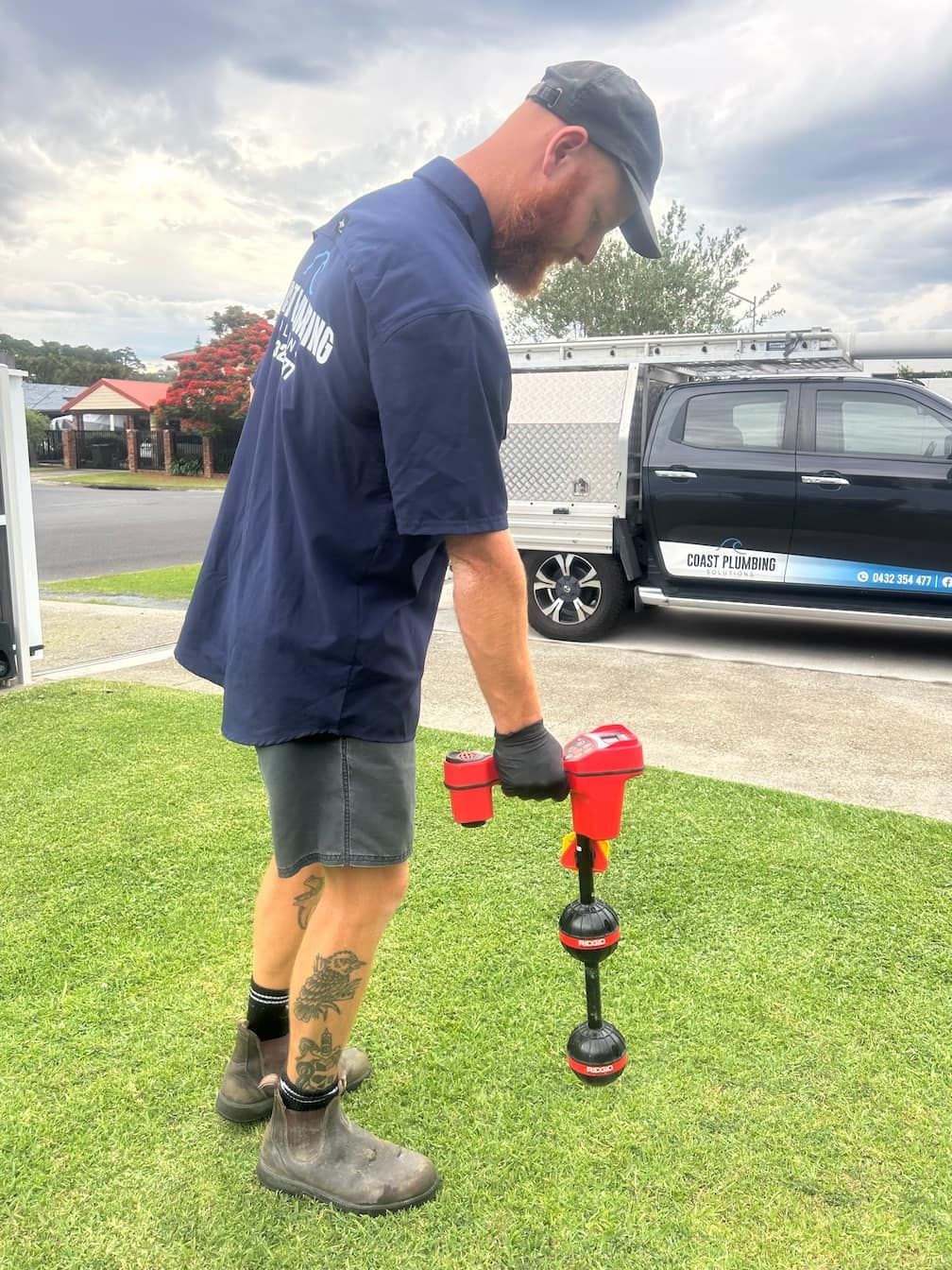
Written by Jack Mitchell
Jack brings more than 16 years of plumbing experience to homes and businesses across the Gold Coast and Northern NSW.