

How To Find A Water Leak?
A water leak is not always as obvious as a dripping tap or a puddle on the floor. After inspecting leaks in homes across the Gold Coast and Northern NSW, we know that the place where water appears is not always where the leak started. Water can travel along a pipe, behind a wall or beneath flooring before you notice anything is wrong.
The good news is that you can do a few simple checks before calling a plumber. These steps can help you confirm whether water is escaping and narrow down the possible source without pulling apart your home.
What Are the Signs of a Water Leak?
Sometimes the first sign of a leak is a higher water bill. Other times, you notice a musty smell or a patch of paint that keeps bubbling, no matter how often you fix it.
Keep an eye out for:
- A water bill that is higher than usual
- The sound of running water when no taps are on
- Damp patches on walls, ceilings or floors
- Mould or a persistent musty smell
- Swollen cabinetry or skirting boards
- A toilet that keeps running after flushing
- An unexplained drop in water pressure
- Wet patches in the yard when it has not rained
- An unusually green patch of lawn
None of these signs tells you exactly where the leak is. A damp ceiling, for example, could be caused by a plumbing pipe or rainwater getting into the roof. Treat the signs as a reason to investigate, especially if they keep returning.
Start With Your Water Meter
If you suspect a leak but cannot see one, your water meter is the best place to start. It can show whether water is flowing into the property when nobody is using it.
First, turn off every tap and make sure the washing machine, dishwasher and irrigation system are not running. Check that no one will use a toilet or turn on a tap during the test. Then take a photo of the meter reading.
Wait at least 15 to 30 minutes and check it again. If the reading has changed, water has flowed through the meter during that time. Some meters also have a small dial or indicator that moves when water is flowing.
For a slow leak, try the test overnight. Take a photo before bed and compare it with the reading in the morning, making sure you account for any appliances or irrigation systems that run automatically.
A moving meter does not pinpoint the leak, but it gives you a useful starting point. When customers tell us their meter is moving while everything is switched off, we can begin narrowing down which part of the property needs closer inspection.
Check the Toilets
Toilets are one of the first things we suggest checking because they can leak without putting any water on the floor. A faulty part inside the cistern may let water run continuously into the bowl. Sometimes you can hear a faint trickle; sometimes the toilet sounds completely quiet.
Take the lid off the cistern if it is easy to remove and look for water flowing after the toilet should have finished filling. You can also put a few drops of food colouring in the cistern and leave the toilet unused for about 15 to 30 minutes. If the colour appears in the bowl without flushing, water is escaping from the cistern.
Check the floor around the base and the water connection behind the toilet as well. If the area stays damp, wipe it dry and watch where the moisture reappears. This can help distinguish a leaking connection from water that has simply been splashed onto the floor.
Look Under the Kitchen and Bathroom Sinks
A small leak inside a cabinet can go unnoticed because bottles, cleaning supplies and other items hide the water. Empty the cupboard and look for stains, swollen panels, mould or a musty smell.
Dry the pipes and cabinet base with a cloth. Then run the tap while you watch the fittings beneath the sink. Fill the sink and let it drain, too. Some leaks only appear when water passes through the waste pipe; others happen while the tap is running.
When we inspect leaks beneath sinks, we do not assume the drip is directly below the faulty fitting. Water can run along a pipe before falling, making the source appear to be somewhere else. Watching for the first sign of moisture on a dry pipe is much more useful than looking at where the puddle ends up.
Inspect Your Shower and Bathroom
Bathrooms are harder to assess because they get wet every day. Start by drying the area, then look for moisture that returns when nobody has used the shower, bath or vanity.
Check around the shower screen, tap fittings, bath and vanity. Look for cracked grout, loose tiles, damaged silicone and water escaping onto the floor during a shower. In the next room, inspect any wall that backs onto the bathroom for peeling paint, soft skirting boards or a musty smell.
One assumption we come across is that dampness beside a shower must be a grout or silicone problem. Those are worth checking, but water can also escape from pipework inside the wall or beneath the shower. If you reseal an area and the damp patch returns, the underlying leak may still be there.
Avoid opening the wall based on a guess. A plumber can inspect the plumbing and help work out where the water is coming from before repairs begin.
Check Your Hot Water System
Your hot water system has several pipes, valves and connections that are worth inspecting. Look around the unit for pooling water, damp ground, corrosion or a steady drip from a fitting.
A small amount of water may discharge from a relief valve during normal operation, depending on the type of system. A constant flow or water coming from another part of the unit needs attention. If you are unsure what you are looking at, leave the valves alone and arrange an inspection.
It also helps to tell your plumber whether you have noticed changes in hot water pressure or how much hot water the system supplies. The more detail you can give us about when the problem started, the easier it is to investigate.
Walk Around the Outside of Your Home
Not every leak is indoors. Check outdoor taps, hose connections, exposed pipes and irrigation systems. Look closely at each fitting while the tap is on and again after you have turned it off.
Walk around the yard and look for ground that remains wet after several dry days. A patch of grass that is much greener than the surrounding lawn, soft soil or unexplained water near a driveway could indicate an underground leak.
If you have irrigation, turn it off and repeat your meter test. A leaking irrigation line or valve may be using water even when you cannot see a sprinkler running. Let your plumber know about any wet patches you have found and whether the meter reading changes when irrigation is isolated.
What if the Meter Moves but You Cannot Find Any Water?
This is when a leak becomes more difficult to locate. You may have checked every toilet, tap and visible pipe, yet the meter continues to move. The leaking pipe could be inside a wall, beneath a concrete slab or underground between the meter and the house.
Some of the leaks we investigate leave very little visible evidence. By the time a stain appears indoors, water may already have travelled some distance from the damaged pipe. That is why we look at the meter reading, the layout of the plumbing and any changes around the property together, rather than treating one damp patch as proof of the leak’s location.
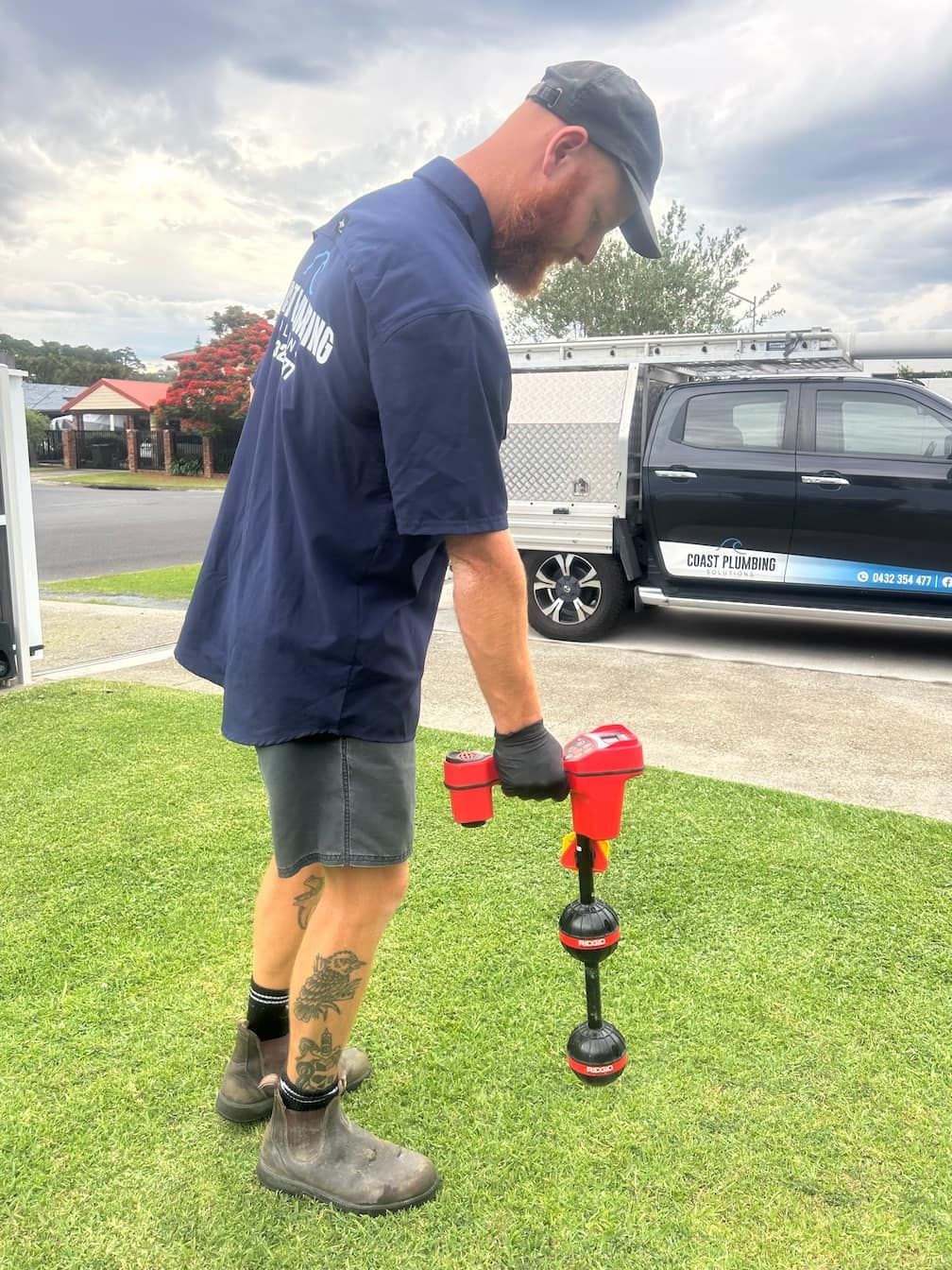
Do not start digging up the yard or cutting into a wall based on a hunch. Professional leak detection equipment can help locate concealed leaks more accurately and guide the repair.
What Should You Do if You Find an Active Leak?
If water is escaping quickly, turn off the main water supply if you can access the valve safely. It is usually at or near the water meter. You may then be able to open a tap to release water still sitting in the pipes.
Move belongings away from the water and use towels or buckets to limit the damage while you arrange help. If water is near electrical outlets, wiring or appliances, keep clear of the area and seek appropriate assistance.
For a leak at a toilet or beneath a sink, you may be able to turn off the isolation valve serving that fixture. This can stop the flow without shutting off water to the whole house. Even if you manage to contain the leak, arrange a repair rather than leaving the water turned off indefinitely.
When Should You Call a Plumber?
Call a plumber if the meter moves when no water is being used, a damp patch keeps returning or you can hear water running but cannot see its source. You should also seek help promptly if water is spreading, your pressure has suddenly dropped or your hot water system is leaking.
Before we arrive, it helps to note what you have checked. Take photos of meter readings, damp patches or visible drips. Tell us whether the leak happens constantly or only when you use a particular tap, shower or appliance. These details help us investigate the right areas first.
At Coast Plumbing Solutions, we locate and repair water leaks across the Gold Coast and Northern NSW, including leaks hidden behind walls and beneath the ground. If something does not seem right with your plumbing, call us on 0432 354 477. We can inspect the problem, explain what we find and recommend the next step.
Written by Jack Mitchell
Jack brings more than 16 years of plumbing experience to homes and businesses across the Gold Coast and Northern NSW.